
Navigate Conference Sessions
SESSION 1: ORPHAN MEDICAL DEVICES - INNOVATION & REGULATION
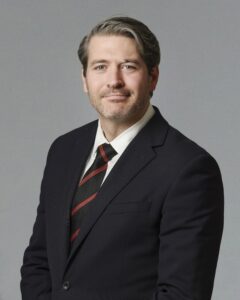
Dr Donal O’Connor
Dr Donal O’Connor is the Clinical Manager for Medical Devices at the HPRA, overseeing the assessment of clinical trials for new therapeutic and diagnostic devices and leading the HPRA representation at the European Commission working groups on clinical evidence and clinical investigations for new devices, in particular focussing on device innovation for rare diseases and unmet needs. Donal co-chairs the European Commission MDCG task forces on Orphan medical devices, which in 2024 published the first definition and clinical evidence guidance in the EU for Orphan Medical Devices. Prior to this, Donal worked in clinical trial assessment and regulated medicines and vaccines with the HPRA and EMA.
Prior to joining the HPRA, Donal trained as a General Surgeon and is a fellow of the European Board of Surgery and an adjunct lecturer in Trinity College Dublin.
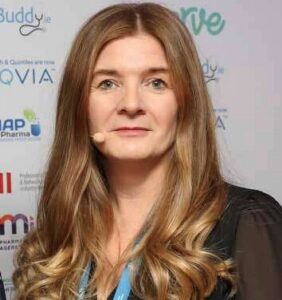
Gwynne Morley
Gwynne Morley is Site Lead and General Manager of IQVIA Ireland and Chair of HealthTech Ireland. She leads IQVIA’s Irish business across healthcare, life sciences, clinical research, real-world evidence, digital health and AI-enabled innovation. Prior to joining IQVIA in 2018, Gwynne was Managing Director of Uniphar Retail Services, General Manager of the Heart & Vascular, Diabetes and Emergency Department services at the Mater Private Hospital, and a member of the Senior Executive Team at United Drug Group Healthcare. A qualified pharmacist, she brings extensive experience spanning pharmaceutical manufacturers, healthcare distribution, hospital services, community pharmacy and patient care. She is a passionate advocate for innovation, collaboration and data-driven transformation across the Irish healthcare ecosystem
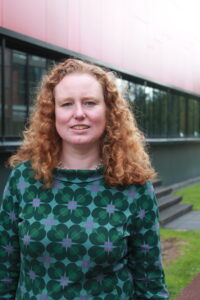
Dr Anneliene Jonker
Dr Anneliene Jonker is an Assistant Professor in rare diseases therapeutic innovation, working at the interface of therapy acceleration, policy sciences and regulatory sciences. She works at the Health Technology and Services Research (HTSR) group at the University of Twente, Enschede the Netherlands since 2023. She leads the EUPOPMED project on stimulating the development of paediatric and orphan devices, which follows on the previous DeCODe project. Next to this, she is also the Director of Duchenne Parent Project, a patient organisation for the rare disease Duchenne Muscular Dystrophy, since November 2023. In both contexts, she supports the development of orphan device development, at regulatory, clinical and business level.
Anneliene Jonker obtained her Ph.D. in genetics in 2014 from the University of Paris XI, France and Institut Curie, France. She previously served as the Vice Chair of the Therapies Scientific Committee of the International Rare Diseases Research Consortium, for which she chaired different global working groups and Task Forces, on topics such as drug repurposing, orphan devices and N-of-1 therapy development. She is also an assistant editor for Orphanet Journal of Rare Diseases.
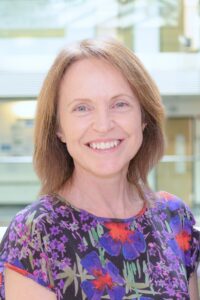
Dr Fiona Browne
Dr Fiona Browne is Clinical Specialty Lead for Paediatric Dermatology at Children’s Health Ireland (CHI). She has a specialist interest in genodermatoses, particularly Epidermolysis Bullosa (EB), and leads both the National Skin Fragility Service and CHI’s participation in the European Reference Network for Rare Skin Diseases (ERN Skin).
Dr Browne is actively involved in clinical trials in rare dermatological conditions and collaborates closely with the UCD Charles Institute of Dermatology on translational research in EB. In partnership with UCD, she established a national EB biobank to support advancing research in this field.
She serves as a director of the National and International Skin Registries (NISR) charity and is a board member of the City of Dublin Skin Cancer Hospital Charities, which supports dermatology research nationally.
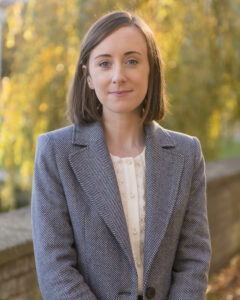
Dr Sarah Cullivan
Dr Sarah Cullivan is a UCD medicine graduate, who completed higher specialty training in adult respiratory medicine in Ireland, and a Newman Fellowship in Pulmonary Hypertension and translational medicine in 2022. Her current research focuses on the pathobiology of pulmonary hypertension and the physical, psychological and behavioural consequences of pulmonary embolism. She has over 40 peer-reviewed publications and is the current lead for clinical trials in the National Pulmonary Hypertension Unit, where she has been a consultant since July 2023.
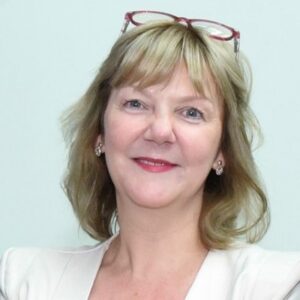
Prof Martina Hennessy
Professor Martina Hennessy is a clinical pharmacologist and consultant physician at St James’s Hospital Dublin with clinical expertise in hypertension, cardiovascular risk and medication safety and research interests in advanced therapies, antiretroviral pharmacology, and medical education. She is the Director of the Wellcome-HRB Clinical Research Facility in St James’s Hospital, Dublin. The CRF is a collaborative partnership between St James’s Hospital and Trinity College. Prof Hennessy is Associate Professor of Medical Education and Director of Internship in the School of Medicine, Trinity College, Dublin. Prof Hennessy is Chief Academic Officer (CAO) of HSE Dublin Midlands, composed of 8 hospitals, St James’s Hospital Dublin, Tallaght University Hospital Dublin, The Coombe Women’s Hospital Dublin, St Luke’s Radiation Oncology Network at St James’s Hospital, Naas General Hospital, Midland Regional Hospital Tullamore, Regional Hospital Mullingar, Midland Regional Hospital Portlaoise. The CAO is responsible for developing a structured and integrated approach to research, innovation, education and training for all healthcare professionals in HSE Dublin and Midlands. HSE Dublin and midlands with its academic partner Trinity College Dublin (TCD), is one of the largest of newly designed regional health areas, established as a key transitional step in a government initiative to reorganise the Public Health System.

Dr Cassandra Dinius
Working across health research, patient and public involvement (PPI), and research development, Dr Cassandra “Cassy” Dinius is committed to making research more inclusive, collaborative and responsive to the communities it serves. As PPI Liaison Officer for the Rare Disease Clinical Trial Network, jointly appointed with Health Research Charities Ireland (HRCI), Cassy supports meaningful involvement in research through co-production, partnership-building, and cross-sector collaboration. With a background in Brain and Cognitive Science and over a decade of research experience spanning cognitive ageing, dementia, brain health and community-based research, she brings both academic and practical expertise to advancing inclusive and collaborative research practices.
SESSION 2: INNOVATION, REGULATION & DATA SYSTEMS
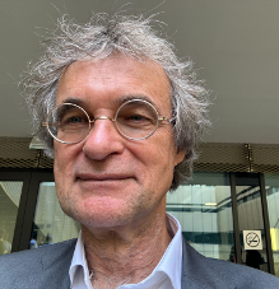
Prof Dr Ralf-Dieter Hilgers
Prof. Dr. Ralf-Dieter Hilgers studied mathematics with an application area in physics at RWTH Aachen University, graduating in 1986. He worked at the University of Cologne from 1986 to 2001 and subsequently served as Department Chair and Managing Director of the Institute for Medical Statistics at RWTH Aachen University until 2026. He is now RealiseD Coordinator at Sigmund Freud Private University Vienna. As responsible biostatistician, he contributes to numerous publicly and industry-sponsored multicentre randomised clinical trials. His research focuses on statistical planning, including randomisation, optimal experimental design, and evaluation, with particular expertise in rare diseases. He coordinated the FP7 IDEAL project (2013–2017), co-led work packages in EJP-RD (2018–2024) and ERICA (2018–2026), and currently participates in ERDERA. He serves as reviewer for medical and statistical journals and societies and is a member of BfArM expert groups.

Prof Claire Booth
Claire is a professor of Paediatric Immunology and Gene Therapy at UCL Great Ormond Street Hospital Institute of Child Health in London and lead the clinical stem cell gene therapy programme at Great Ormond Street Hospital. She is a clinical academic leading an expanding number of gene therapy clinical trials for patients with immune deficiencies, haematological and metabolic disorders. Her research is focused on developing novel therapies for immune system disorders using innovative gene modification techniques. Claire has extensive experience in leading first-in-human clinical trials and translating research into clinical practice. As an attending physician, she manages patients with immunodeficiencies, including stem cell transplants, with a particular interest in HLH disorders. Claire is an elected board member of the European and American Societies of Gene and Cell Therapy and the European Society for Immunodeficiencies, holds an honorary position at Boston Children’s Hospital and Harvard Medical School, and co-founded the AGORA Foundation to improve access to gene therapies for ultra-rare diseases.
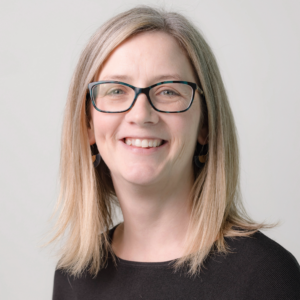
Prof Catherine Quinlan
Professor Catherine Quinlan is Interim Chief Academic Officer and Director of Research at Children’s Health Ireland, and a consultant paediatric nephrologist (a children’s kidney specialist). Many kidney conditions in children are rare and genetic. Catherine’s career has focused on diagnosing these conditions earlier, so that families get answers sooner and children can be treated before kidney damage progresses. During more than a decade in Melbourne, she set up a state-wide kidney genetics service whose evidence helped secure government funding for genetic testing for people with kidney disease across Australia. She also led research using routine hospital records to find children at risk of kidney disease before they developed symptoms. In her current roles, she leads work to build the systems that make research and clinical trials possible for children, including data platforms, patient registries and research partnerships. She is also Clinical Lead for AI at the Royal College of Physicians of Ireland.
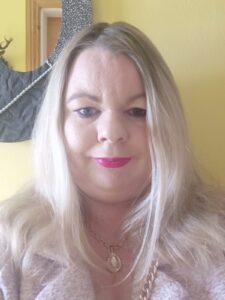
Ms Linda Sheehan
My name is Linda Sheehan, I’m 41 years old and live in the countryside outside Rathkeale, Co. Limerick.
In 2022, I began experiencing severe breathlessness and recurring chest infections. After several visits to my GP, I was admitted to University Hospital Limerick, where investigations led to a diagnosis of a rare lung disease called Autoimmune Pulmonary Alveolar Proteinosis (APAP).
My consultant, Dr Aidan O’Brien, referred me to Professor Cormac McCarthy at St Vincent’s University Hospital, Dublin, where I was given the opportunity to participate in the IMPALA-2 clinical trial investigating an inhaled treatment called molgramostim, developed by Savara.
Before the trial, I required supplementary oxygen during the day and at night, and everyday activities such as walking and showering were difficult. Within six months of starting the trial, I noticed improvements in my breathing, and within 18 months, I was off supplementary oxygen altogether. I was also able to enjoy outings again without needing a wheelchair.
My experience has shown me the importance of rare disease awareness, specialist care and clinical research. I am deeply grateful to Dr O’Brien, Professor McCarthy and the team at St Vincent’s University Hospital, as well as Savara, for the opportunity to participate in the trial.
By sharing my story, I hope to raise awareness of APAP and highlight how research and clinical trials can offer hope and the possibility of a better quality of life for people living with rare diseases.
Prof Bruce Trapnell
Dr. Bruce Trapnell is Professor of Medicine and Pediatrics at the University of Cincinnati and a clinician-scientist at Cincinnati Children’s whose research has transformed the understanding and treatment of pulmonary alveolar proteinosis (PAP) and other rare lung diseases. His work established GM-CSF autoantibodies as the cause of autoimmune PAP, identified CSF2RA and CSF2RB mutations as causes of hereditary PAP, and led to accurate blood tests for diagnosis of autoimmune PAP and pulmonary macrophage transplantation, a novel cell therapy approach for hereditary he is currently evaluating in a first-in-human trial. He led the IMPALA and IMPALA2 trials of molgramostim for aPAP and co-founded the Rare Lung Diseases Clinical Research Consortium. His broader work has contributed to FDA-approved therapies for cystic fibrosis and lymphangioleiomyomatosis and recognition of indium-related lung disease. He is also co-founder and Scientific Director of the Pulmonary Alveolar Proteinosis Foundation.
Dr Brian Robinson
Brian Robinson, MD, is Executive Vice President, Global Medical Affairs at Savara Pharmaceuticals, where he leads global medical strategy for the company’s work in autoimmune pulmonary alveolar proteinosis (aPAP). He is a physician executive with more than 20 years of experience in the biopharmaceutical industry, with particular expertise in rare diseases and the development and commercialization of first-in-class therapies. Throughout his career, Brian has worked across research, clinical development, medical affairs, and commercialization, with a focus on translating scientific advances into meaningful outcomes for people living with rare diseases. He received his MD from Tufts University School of Medicine and his BA from Yale University.
SESSION 3: EFFICIENCY & EFFECTIVENESS IN TREATING RARE DISEASES
Ms Eva Lally
Eva is a patient advocate for Castleman disease in Ireland and internationally, dedicated to raising awareness, strengthening patient support and ensuring that the lived experiences of people with rare diseases are heard. Following her diagnosis in 2022, she has built connections with patients worldwide, established a private support group for patients and loved ones in Ireland, contributed to research through the Castleman Disease Collaborative Network biobank, and joined the Castleman Disease International Advocates group which was established recently.
A key focus of Eva’s advocacy is drug repurposing — identifying new therapeutic uses for existing medicines. She believes this approach deserves greater investment, research and practical action, particularly for people living with rare diseases who may have limited treatment options. By building on existing scientific knowledge and medicines, drug repurposing offers an opportunity to explore potential treatments, encourage collaboration and accelerate the translation of research into meaningful benefits for patients.
Eva champions a more efficient, collaborative and patient-centred approach to rare disease research, emphasising the importance of turning scientific potential into tangible outcomes. Through her advocacy, she hopes to ensure that patients have a stronger voice in research and healthcare, and that promising treatment opportunities are actively pursued.
Her guiding message is one of resilience, collaboration and hope: never give up on opportunities to improve the lives of people living with rare diseases.

Mr Anton Ussi
Anton Ussi (MSc) is chief executive officer at EATRIS ERIC, the ESFRI European infrastructure for translational medicine. In his current role since 2015, Ussi has a background in technology transfer, with previous history in mechanical engineering and automotive design, and small business administration. Ussi is also Principal Investigator of REMEDi4ALL, a multi-sector EU- and UK-funded initiative to deliver a fully accessible pan-European medicines repurposing eco-system covering all development phases and market entry.
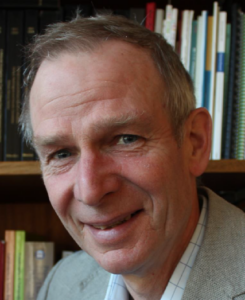
Prof Nick Bishop
Professor Nick Bishop is an internationally recognised expert in the field of paediatric bone research. His focus is on experimental medicine/early phase studies in osteogenesis imperfecta (OI), hypophosphatasia and other forms of rickets. He has a long-standing interest in early life influences on later skeletal health. He is Associate Director of the Versus Arthritis Experimental Arthritis Treatment Centre for Children, CI for the global studies of setrusumab in children with OI, co-CI of the MOI-A study of losartan in older adolescents and adults with OI, and a trustee of the Brittle Bone Society.
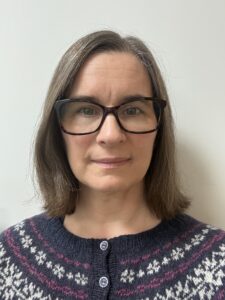
Dr Niamh Banville
Dr Niamh Banville MB, MSc, FRCPath is a Histopathologist currently working as a
Special Lecturer in Pathology at UCD School of Medicine while undertaking an MD
research degree focusing on rare disease education for medical students.
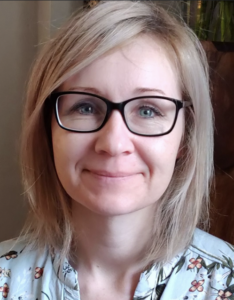
Dr Katarzyna Whysall
Dr Katarzyna Goljanek-Whysall is an Associate Professor and Head of Physiology at the University of Galway. Her research focuses on understanding the molecular mechanisms of disease and translating these discoveries towards improved diagnosis and therapy. Her rare-disease research focuses on V-ATPase-related ultra-rare neurological disorders, combining patient-derived cell models, molecular and functional studies, and advanced disease models to understand the consequences of rare genetic variants and identify potential therapeutic approaches. She is a member of the Scientific Advisory Board of the V-ATPase Alliance and one of the Iamnumber17 changemakers with her daughter Niamh. She works closely with clinicians, scientists and patient communities to advance research in ultra-rare neurological disease.
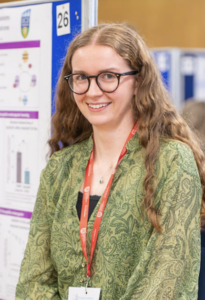
Ms Ailbhe Conway
Ailbhe Conway is a PhD candidate in the UCD School of Biomolecular & Biomedical Science and UCD Conway Institute supervised by Associate Professor Niamh O’Sullivan and Professor Breandán Kennedy. Her research focuses on the generation and characterisation of in vivo models of Warburg micro Syndrome to investigate the underlying mechanisms of neuronal degeneration in the disease. Her project is funded by Research Ireland and has been developed in collaboration with the Warburg Micro Research Foundation.
SESSION 4: POLICY DRIVEN INNOVATION
Dr Daria Julkowska
Daria Julkowska is a leader in health research strategy and partnerships, with over 15 years of experience in rare diseases. She is the Scientific Coordinator of the European Rare Diseases Research Alliance (ERDERA), a partnership bringing together more than 180 institutions from 37 countries across Europe and beyond, including researchers, funders, clinicians, industry and patient organisations. She previously coordinated the European Joint Programme on Rare Diseases.
In her role leading strategy and partnerships in health, she connects scientific priorities with opportunities for cross-sector collaboration. Her work focuses on building strategic alliances among public and private stakeholders, aligning expertise and resources, and creating the conditions for research to translate into benefits for people living with rare diseases. Since entering the field in 2010, she has developed collaborations with European research infrastructures, patient organisations and industry to strengthen research capacity and support innovation.
She brings extensive knowledge of European funding programmes and research policy, and served as Chair of the European Commission’s Expert Group on support for the strategic coordinating process for European partnerships.
Daria holds a PhD in molecular biology and an MSc in Management of Research from Université Paris Dauphine. She conducted postdoctoral research in cellular biology at Institut Pasteur in Paris and undertook additional training in communication and European Union affairs. Her leadership was recognised with the EURORDIS Black Pearl Award for European Rare Disease Leadership in 2020, followed by the Prix INSERM and Remarkable Pole distinctions in 2024.
Prof Atif Awan
Prof. Atif Awan is a Paediatric Nephrologist at Children’s Health Ireland, ERKNeT Co Lead and Clinical Lead, National Rare Disease Office.
Prof Amy Jayne McKnight
Professor AJ McKnight is Director of Postgraduate Research for the School of Medicine, Dentistry and Biomedical Sciences at Queen’ s University Belfast and Co-Lead Centre for the Acceleration of Rare Disease Trials. AJ has both personal and professional experience of rare diseases. She is passionate driving innovative research & supporting the next generation of rare disease researchers.
AJ has identified new disease-causing genes and biomarker signatures that help identify individuals at higher risk of disease onset or progression, and developed multiomic data integration and interpretation resources. AJ hosts multiple registries and bioresources, leads NI’s role in ERDERA, was the inaugural lead of Genomics England’s Clinical Implementation and Data Enhancement network and enjoys working closely with international rare disease communities.